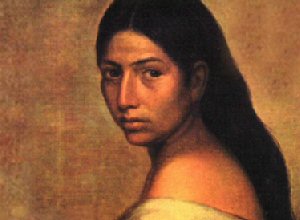
Juliet Waldron’s Note: These are sketches and excerpts from a few randomly picked books which I read while working on “Genesee”. One good way to get comfortable writing about the lifeways of other “tribes,” is to read widely, and not simply stick to works in “period.”
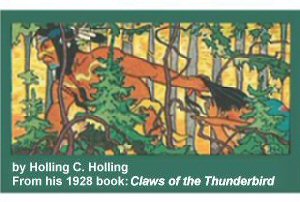
Mary Jemison
The wonderfully long early 19th Century title is what we now call the book “blurb.” Mrs. Jemison’s story is a gripping and sorrowful read, sometimes more for what is not said -- or omitted--by the tactful Mr. Seaver. As a woman speaking to a man, across formidable barriers of gender and culture, censorship (on both sides, no doubt) took place. Mrs. Jemison’s story, as presented by Mr. Seaver, is candid and dignified. Who knows how much young Mary actuallyacculturated, or how much of what is retold was a life lived in an ante-room, away from the shock of what happened to her and her family. IMHO, Mrs. Jemison's story sounds with the harsh ring of truth.
Mrs. Mary Jemison by James E. Seaver
The complete title
“Narrative of the Life of Mrs. Mary Jemison”
“Who was taken by the Indians, in the year 1755, when only about twelve years of age, and has continued to reside amongst them to the present time.
Also Containing~~
An Account of the Murder of her Father and his Family; her sufferings; her marriage to two Indians; her troubles with her Children; barbarities of the Indians in the French and Revolutionary Wars; the life of her last husband and many Historical Facts never before published.
Carefully taken from her own words, Nov. 29th, 1823.”
In the Hands of The Senecas
By Walter D. Edmonds
“Dygartsbursh, New York, in the yar 1778 - smoke rising from lonely cabins, but not the fragrant smoke of cookfires, welcoming the men home from clearing, forest and trail. It was the bitter smoke of charred logs, smoldering in heaps which that morning had been the homes of the settlers - perhaps also the unspeakable smoke of burning flesh, for more than one husband perished in the flames after his scalp was safely tucked in a raider's belt.”
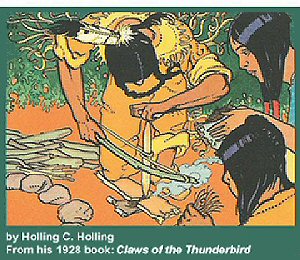
Here is a story set in the early years of the European incursion from a particular seat on the edge of the greater American circle. In the Northeast, the white settlers were confronting the most warlike of tribes - the Iroquois, whose social organization wasn't all that dissimilar from that of the Scots/Irish invaders.
Seven Arrows is another version of the White migration, although from a later time and told from another perspective. It is enriched by ancient stories shared by the Native storyteller, and by his meditation on the universal truths embedded in the teaching tales of the Medicine Wheel.
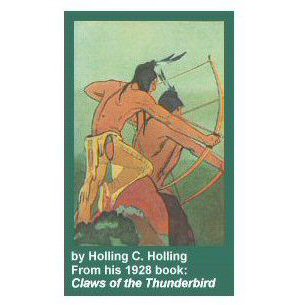
Seven Arrows
By Hyemoyohists Storm
“You probably have known of these people only by their whiteman names, as the Cheyenne, the Crow and Sioux. Here you will learn to know of them as they were truly known among the People: as the Painted Arrow, the Little Black Eagle, and the Brother People.
The story of these People has at its center and all around it the story of the Medicine Wheel. The Medicine Wheel is the very Way of Life of the People.
”
“The whiteman is becoming more mad with each day, and his insanity is spreading quickly. As you probably have heard, the Brotherhood is now only a thing of memory. Confusion, distrust, greed and the new Way of the war god are destroying everyone. The North River of the Medicine Wheel, which the whites call the Missouri, was visited not long ago by whitemen who left great piles of robes as Gifts for the people who lived there. Word of the gift robes spread quickly, and many of the People rushed to these places to get them. And the robes killed them. . . . The whiteman somehow called sickness into the robes, and it killed for him.”
Sepia photographs from the post civil war period, document the faces and camps of a beleaguered people. Sacred land and the little brothers (animals) are also beautifully represented. This is another kind of captivity story, one that continues to this day.
Other related titles of interest:
“The UnRedeemed Captive, a Family Story from Early America” by John Demos
“Chainbreaker's War: A Seneca Chief Remembers the American Revolution”
Edited by Jeanne Winston Adler
“The Ambiguous Iroquois Empire: The Covenant Chain Confederacy of Indian Tribes with English Colonies from its Beginnings to the Treaty of Lancaster”
by Francis Jennings.